
The Benefits of Clean Air at Home: Indoor Air Quality in Hong Kong
Hong Kong flats are compact, windows stay closed for the air conditioning and the city outside is busy. The air you breathe indoors shapes your health, your sleep and your home. Here is what clean air does for you and how to get it.

Why Indoor Air Quality Deserves More Attention
Air quality makes most people think of traffic and smog. Yet we spend most of our time indoors, and indoor air has its own sources of pollution.
The World Health Organization's fact sheet on household air pollution links polluted indoor air to respiratory and heart disease worldwide.
In Hong Kong homes the usual sources are dust carried in from outside, mould in damp corners and air conditioners, dust mites in soft furnishings, and chemicals released by new furniture, paint and cleaning products. You can check outdoor conditions on the government's Air Quality Health Index.
You cannot control the air outside. You can control almost everything about the air inside your home.
The Health Benefits of Clean Indoor Air
Reducing dust, allergens and mould indoors has direct, noticeable effects.
Your Air Conditioner Decides What You Breathe
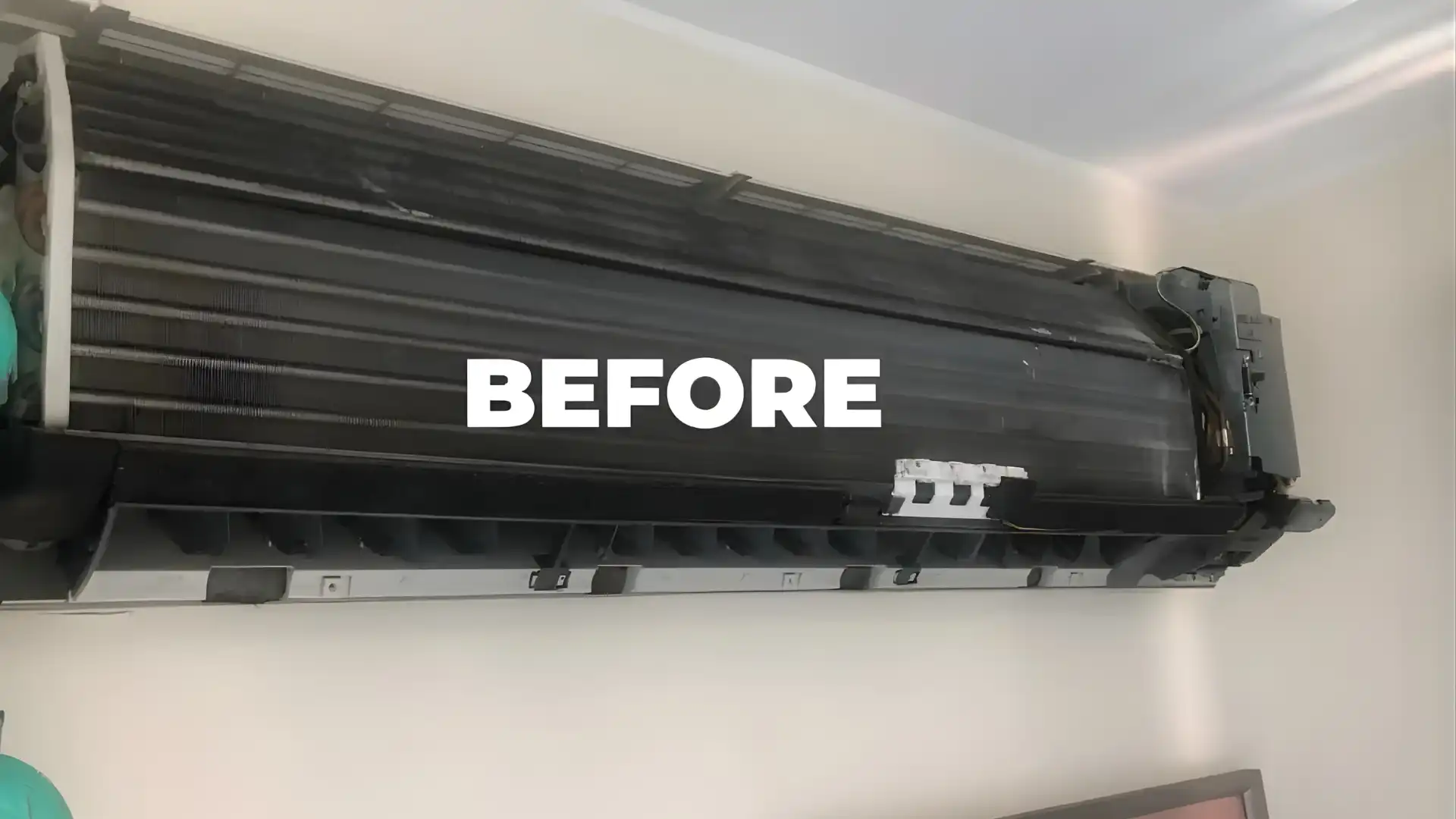
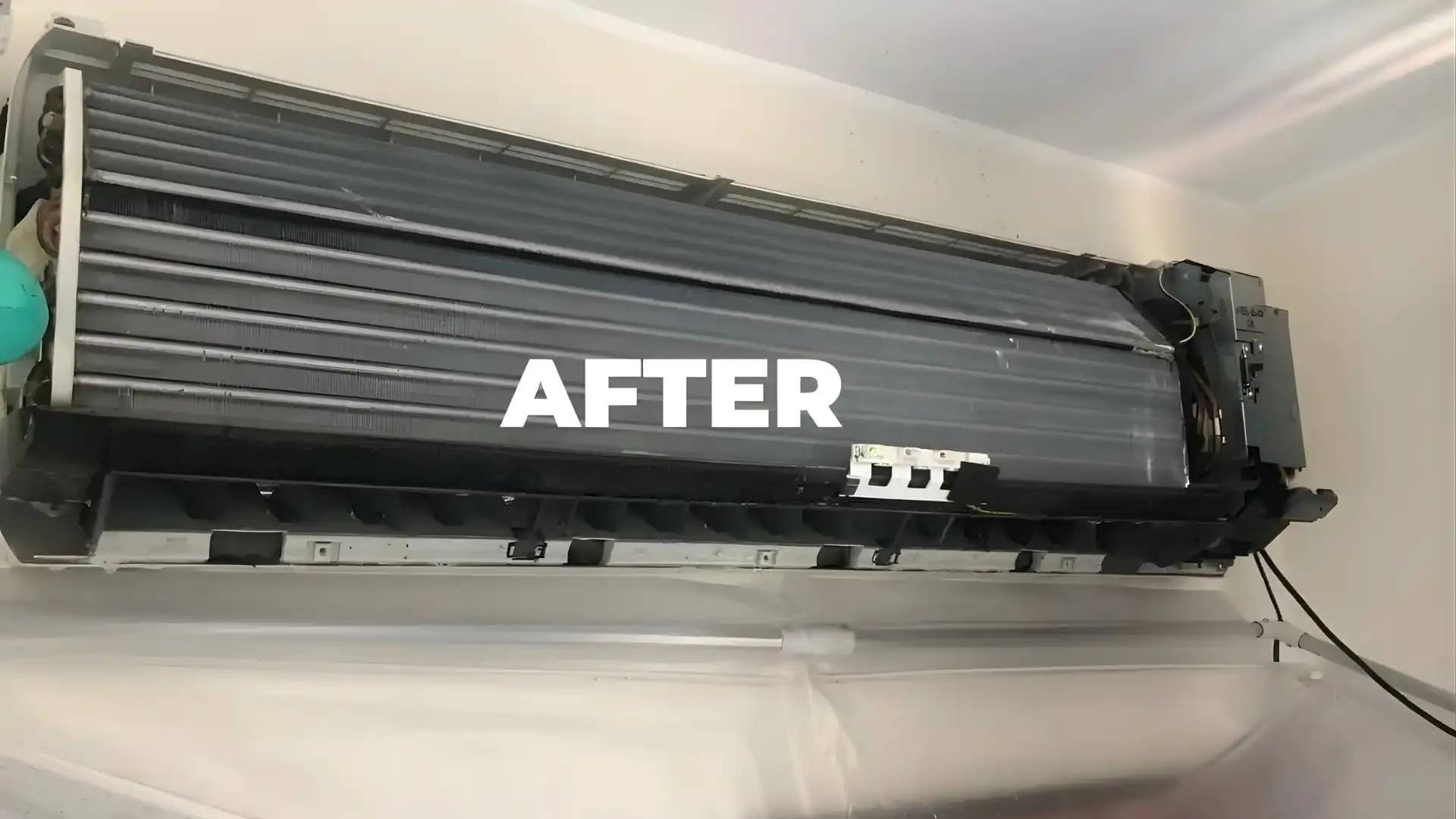
An air conditioner moves all the air in a room through itself many times a day. When the coil and fan are clean, it filters and dries the air. When they are dirty, it spreads dust, mould spores and odours.
The difference is easy to see when a unit is opened up. Most homes should have each unit professionally cleaned every six months. See our split type clean and service.
For the full picture on mould in air conditioners, read airborne mould in Hong Kong homes.
Clean Air Targets for Your Home
Simple benchmarks drawn from US EPA guidance and our own service schedule.
Start Breathing Better at Home
Book a Clean Air Reset
Aircon cleaning plus steam treatment for mattresses, sofas and curtains removes the main sources of indoor allergens in one visit.
Cleaner Air Protects Your Home Too
Poor air quality damages the home as well as the people in it. Damp, stale air leaves mould stains on walls, lifts paint and wallpaper and leaves fabrics smelling musty.
A clean, well-drained air conditioner dries the air as it cools, which protects walls, wardrobes and leather furniture.
After cleaning, the same unit delivers stronger airflow and cooler air for less electricity. Larger homes with ducted systems can book a duct type clean and service.
Practical Steps to Improve Indoor Air Quality
The US EPA's guide to improving indoor air quality sets out three strategies: control the source, ventilate and clean the air.
| Action | How Often | What It Does |
|---|---|---|
| ❄️ Aircon cleaning | Every 6 months | Removes mould and dust from the coil and fan |
| 🛏️ Mattress steam clean | Every 6 to 12 months | Kills dust mites and removes allergens |
| 🛋️ Sofa and curtain clean | Once or twice a year | Lifts dust, dander and odours from fabric |
| 🪟 Ventilation | Daily | Flushes out CO2, moisture and chemical vapours |
| 💧 Humidity control | Through humid months | Stops mould and dust mites multiplying |
| 🎨 Low-VOC materials | At renovation | Cuts chemical off-gassing at the source |
Where Indoor Pollution Comes From
Knowing the source tells you which fix will work. Hong Kong's Indoor Air Quality Information Centre lists the pollutants monitored locally.
Dust and Particles
Carried in from outdoors and stored in carpets, curtains and upholstery.
Mould Spores
Released from damp walls, bathrooms and dirty air conditioners.
Dust Mites
Concentrated in mattresses and sofas. See high-pressure steam cleaning.
Chemical Vapours
Released by new furniture, paint and adhesives. See formaldehyde in the home.
How Proclean Helps You Breathe Cleaner Air
One team covers the three main sources of indoor air pollution.
Common Questions
How do I know if my indoor air is poor?
Musty smells, visible dust soon after cleaning, condensation and allergy symptoms that ease when you leave home are the usual signs.
Does an air purifier replace cleaning?
No. A purifier filters what is in the air. Cleaning removes the source in the air conditioner and soft furnishings.
Should I open windows in humid weather?
Short daily ventilation still helps. Close the windows afterwards and use the air conditioner or a dehumidifier to bring humidity down.
How often should aircon be cleaned?
Every six months for most Hong Kong homes, and more often for bedrooms used by people with asthma or allergies.
Proclean Hong Kong
Cleaner Home, Healthier Every Day
Aircon cleaning, steam treatment and upholstery deep cleaning across Hong Kong. Open Monday to Sunday, 8am to 8pm.