
Airborne Mould in Hong Kong Homes: Health Risks, Hidden Sources and Removal
Mould spores are in the air of every Hong Kong flat. The risk starts when humidity lets them settle and grow inside your air conditioner, mattress and sofa. Here is how to spot airborne mould, what it does to your health, and how to remove it properly.

What Is Airborne Mould?
Moulds are microscopic fungi that reproduce by releasing spores into the air. A small number of spores indoors is normal. The problem is a damp surface that lets a colony grow and release spores continuously.
The species most often found indoors include Cladosporium, Penicillium, Aspergillus and Alternaria, all recognised allergen producers. Stachybotrys chartarum, known as black mould, needs persistently wet material and usually points to a leak or water seepage.
Once a colony is established, every draught, footstep and air conditioner cycle lifts spores back into the air you breathe. That is why mould removal in Hong Kong is as much about indoor air quality as it is about stains on a wall.
Visible mould is the surface of the problem. The spores you breathe come from the colonies you cannot see.
Why Hong Kong Homes Grow Mould So Easily
Mould needs food, warmth and moisture. Dust and fabric provide the food, and the climate provides the rest. The Hong Kong Observatory describes May to August as hot and humid, with spells of high humidity starting as early as March.
Health Effects of Mould Exposure
Inhaled spores and fragments trigger sneezing, a blocked or runny nose, itchy eyes, coughing and skin irritation. These symptoms are often blamed on seasonal allergies, so the source stays in place and exposure continues.
The WHO guidelines on dampness and mould report that people living in damp or mouldy buildings face a higher risk of respiratory symptoms, respiratory infections and worsening asthma.
Children, older adults, and anyone with asthma, COPD or a weakened immune system are affected first and most severely. If symptoms ease when you leave home and return when you come back, check your indoor air.
Mould Control in Numbers
The benchmarks worth knowing, based on US EPA mould and moisture guidance and our own servicing schedule for Hong Kong homes.
Musty Smell at Home?
Find the Source Before It Spreads
Send us a photo of your air conditioner, sofa or mattress on WhatsApp. We will tell you what it needs and book a visit anywhere in Hong Kong.
Where Mould Hides in a Hong Kong Flat
Most colonies are out of sight. A musty smell, or allergy symptoms that are worse indoors, usually means one of these six places.
| Location | Why Mould Grows There | What to Do |
|---|---|---|
| ❄️ Air conditioner | Cold, wet coil and drain tray collect dust | Professional enzyme-based clean every six months |
| 🛏️ Mattress | Sweat and humidity soak into the core | Hot water extraction and steam at 140 degrees |
| 🛋️ Sofa and curtains | Fabric holds moisture and skin cells | Hot water extraction, then high-pressure steam |
| 🧶 Carpets and rugs | Damp backing never fully dries | Deep clean, then dry completely before relaying |
| 🚿 Bathroom | Steam with little extraction | Run the fan for 15 minutes after each shower |
| 🧱 Outer walls | Condensation behind furniture | Leave a gap for airflow and fix any seepage |
Aircon Mould: How Your Air Conditioner Spreads Spores
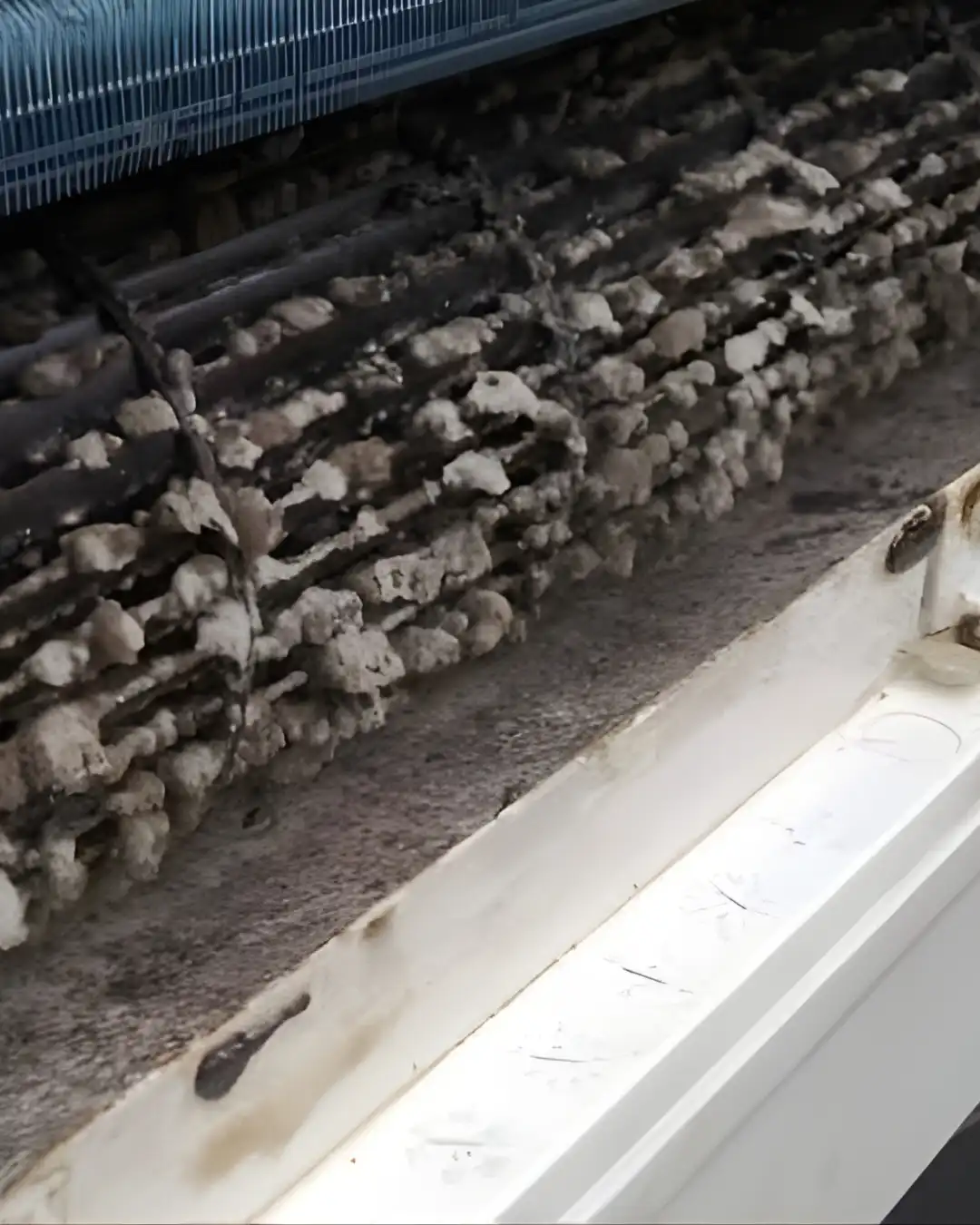
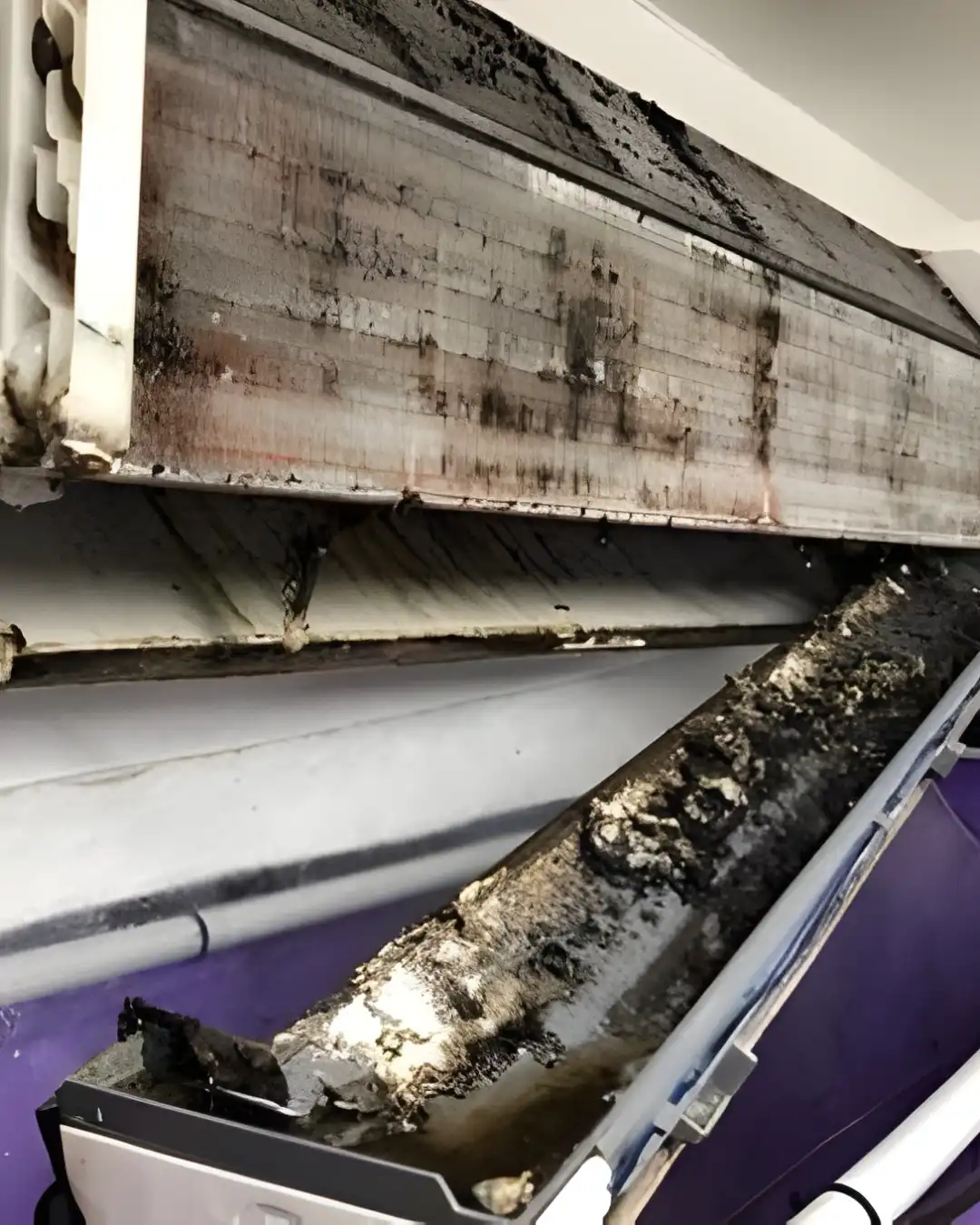
The evaporator coil and drain tray of an air conditioner are cold and wet whenever the unit runs. Add household dust and you have ideal conditions for mould. The fan then pushes spores into the room on every cooling cycle.
Rinsing the filter does not reach the coil, blower wheel or drain line, which is where the colony sits. A professional clean with an enzyme-based, pH-neutral cleaner removes it at the source. This is the single most effective step against airborne mould in most Hong Kong homes.
Our AirconPro aircon cleaning service covers split, cassette, ducted and window units. Most homes start with a split type clean and service.
How to Prevent Mould at Home
Prevention comes down to moisture control. The Environmental Protection Department's Indoor Air Quality Information Centre sets out Hong Kong's indoor air quality objectives and guidance.
Control Humidity
Keep indoor humidity below 60 percent, ideally between 30 and 50 percent. Run a dehumidifier through the humid months and avoid drying laundry indoors.
Ventilate Daily
Open windows on drier days and run extractor fans during cooking and showering, then for 15 minutes afterwards.
Service Your Air Conditioner
Have every unit professionally cleaned every six months. A filter rinse alone is not enough.
Deep Clean Soft Furnishings
Mattresses, sofas, curtains and carpets hold moisture. High-pressure steam cleaning at 140 degrees kills mould and mildew inside the fabric.
Professional Mould Cleaning in Hong Kong: When to Call Us
Small patches on tiles or grout can be cleaned at home. Call a professional when mould is inside an appliance or fabric, covers more than about one square metre, or keeps coming back.
For more on what clean indoor air does for your household, read the benefits of clean air at home.
Airborne Mould: Common Questions
How do I know if there is mould in my air conditioner?
A musty or sour smell when the unit starts, black spots on the louvres, water dripping indoors, or allergy symptoms that worsen when it runs.
Is black mould dangerous?
Any indoor mould growth can affect health, whatever its colour. Remove it promptly and fix the moisture that caused it.
Can I just paint over mould?
No. The colony keeps growing beneath the paint and reappears within weeks. Remove the mould and the moisture source first.
How often should aircon be cleaned in Hong Kong?
Every six months for most homes, and more often for units that run all day or serve a bedroom used by someone with asthma or allergies.
Proclean Hong Kong
Breathe Cleaner Air at Home
Aircon cleaning, mattress cleaning and upholstery deep cleaning for homes across Hong Kong. Book online or message us on WhatsApp.